Shoulder Dislocation / Instability
What is shoulder Dislocation or instability?
The shoulder joint is made up of a ball (humeral head) and a shallow flat socket (glenoid). The labrum is a thin piece of tissue that lines the rim of the glenoid that helps keep the ball in the socket through a large range of motion. However, because of the incredible mobility, the shoulder is at higher risk of dislocation compared to other joints, such as the hip, where the socket is much deeper.
What causes Shoulder Dislocation or instability?
Dislocations of the shoulder most frequently occur in the setting of traumatic injury such as a fall, or participation in contact sports, including football or hockey.
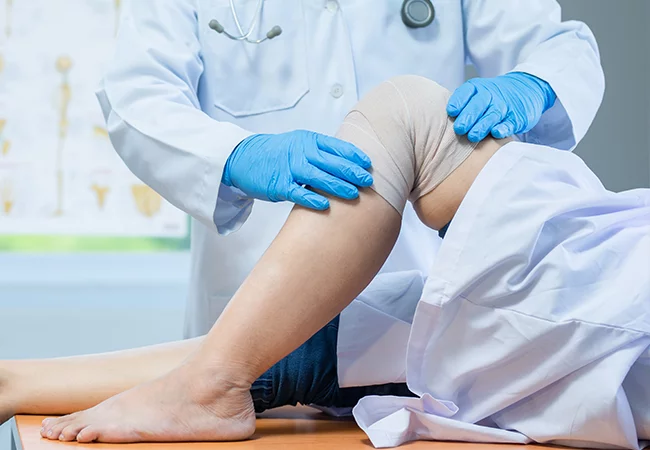
How is Shoulder dislocation or instability diagnosed?
If the shoulder remains dislocated, you should seek immediate treatment to have your shoulder relocated. However, even if the shoulder goes back into place by itself, there may be damage to the surrounding structures that need treatment.
Imaging including x-rays and MRI (magnetic resonance imaging) are frequently used as well. X-rays can help make sure that the shoulder is located within the socket, and evaluate for any fractures. MRI can be used to determine if there are any injuries to the soft-tissues surrounding the shoulder, including the labrum. Based on all of the information gathered from the history, physical exam, and imaging, Doctor can discuss treatment options based on your goals and activity level.
How is Shoulder dislocation or instability Treated?
For the treatment of shoulder instability and dislocations, there are both non-surgical and surgical options. Much of this is determined by your specific injury, age, activity level, and future goals.
Non-surgical options typically include a period of rest and immobilization using a sling. Medications can also be used for a brief period of time to help relieve pain. This is then followed by physical therapy to help regain strength and range of motion.
Surgical options are typically used in cases where patients have had multiple dislocations or instability events, or there are injuries to the tissues surrounding the shoulder that require surgery. Most commonly, these are injuries to the labrum.