Frozen Shoulder
What is frozen shoulder?
Adhesive capsulitis, also commonly referred to as frozen shoulder, is a condition that results in significant pain and limited range of motion of the shoulder. It can be very painful, and the loss of motion can impact an individual’s ability to perform their daily activities.
What Causes Frozen Shoulder?
Frozen shoulder is the result of thickened and tightened scar tissue surrounding the shoulder joint, or what your surgeon may described as adhesions within the shoulder capsule. This thickened and tightened tissue limits the ability of the shoulder joint to move normally, and can be quite painful. In addition, there is also less synovial fluid, which is the normal lubricating liquid within the joint that helps it move smoothly.
How frozen shoulder is Diagnosed?
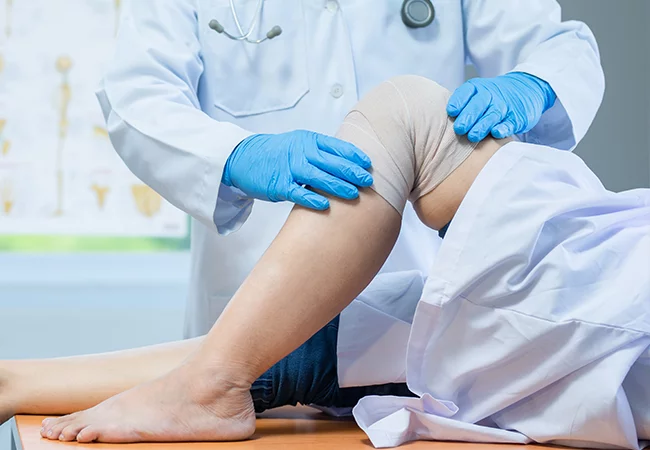
The diagnosis of frozen shoulder is largely based on patient symptoms and physical exam. One of the characteristics of frozen shoulder that is different from other painful conditions of the shoulder, is the limited passive range of motion. Meaning, that when the doctor or therapist attempts to move your shoulder, the range of motion is also limited.
If needed, a variety of imaging techniques can be used to help make the diagnosis. Techniques such as magnetic resonance imaging (MRI) and ultrasound can help your doctor see the tissue surrounding the shoulder joint to help make the diagnosis.
How Frozen Shoulder is treated?
Treatments typically begin with medications and physical therapy. Commonly, over-the-counter-medications such as non-steroidal anti-inflammatory drugs (NSAIDs) are used. If needed, more powerful anti-inflammatory medications can be prescribed, such as steroids, either taken orally or injected directly into the joint.
If these treatment options do not work, there are other more aggressive options including manipulation under anesthesia, during which the patient is put to sleep and the doctor moves the shoulder through a complete range of motion, in attempts to stretch out and break up the tight scar tissue around the joint. Lastly, in very severe cases, there are surgical procedures that can be performed to cut and remove the tight scar tissue.